欧美精品在线第一页,久久av影院,午夜视频在线播放一三,久久91精品久久久久久秒播,成人一区三区,久久综合狠狠综合久久狠狠色综合,成人av一区二区亚洲精,欧美a级在线观看
         
        Feature: Alexandria museum, Egypt's little known treasure with valuable Pharaonic, Greco-Roman artifacts
                         Source: Xinhua | 2018-03-19 03:43:10 | Editor: huaxia

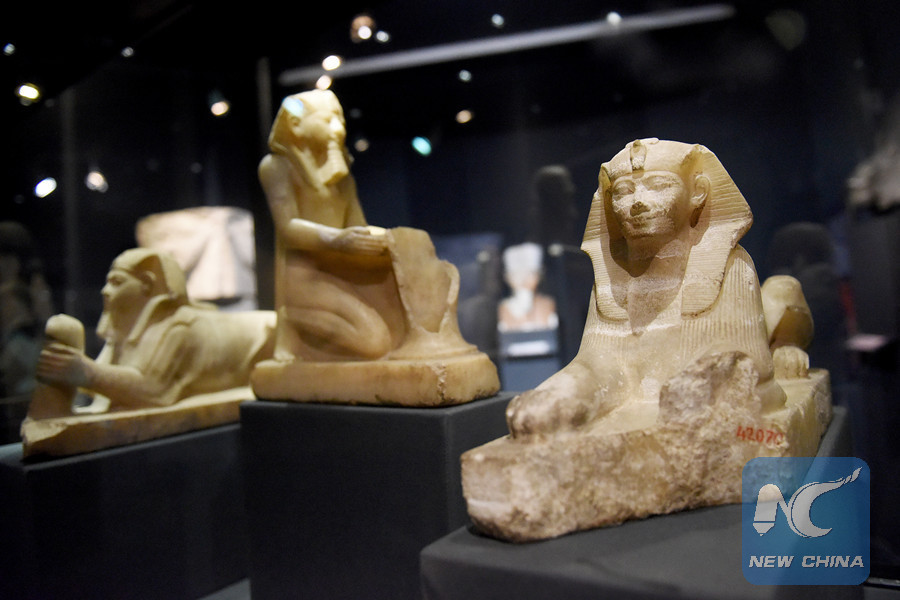
        Artifacts from the Pharaonic time are displayed in the Alexandria National Museum of Egypt on March 12, 2018. (Xinhua/Zhao Dingzhe)

        ALEXANDRIA, Egypt, March 18 (Xinhua) -- Ever heard of Alexandria National Museum in Egypt? It's little known, even to Egyptians, but it is really a rare treasure containing some 1,800 priceless Pharaonic, Greco-Roman, Islamic and Coptic artifacts that narrate the story of the Mediterranean historical city of Alexandria north of the capital Cairo.

        Located in the busy Horreya Street in downtown Alexandria, the museum looks like a secluded but elegantly-designed three-storey white palace. The classic building once belonged to a wealthy Lebanese-born wood merchant who sold it to the consulate of the United States in 1954 before Egypt's Supreme Council of Antiquities (SCA) bought it in 1996 to turn it into a museum.

        Alexandria National Museum was opened for the public in 2003, hosting artifacts of all historical events from the Pharaonic dynastic times, passing through the Ptolemaic Kingdom, the Roman Empire, the Byzantine and Islamic periods until the beginning of Mohammed Ali's era as Egypt's ruler and finally the Egyptian anti-British 1952 revolution.

        After ascending front porch steps and crossing the gate to the main hallway, a visitor faces a standing Roman-style marble statue of a matron-like woman wrapped in a detailed garment. That statue marks the starting point of a tour inside the museum based on the visitor's choice.

        The main floor containing the statue hosts the Greco-Roman artifacts, while the basement contains ancient Egyptian Pharaonic antiquities and the upper floor exhibits Islamic, Coptic and modern age artifacts.

        "The oldest antiquities we have here are those of the Old Kingdom of the Pharaonic era, dating back 5,000 to 6,000 years. Most of Alexandria artifacts are Greek and Roman, so we brought the Pharaonic artifacts from various museums in Cairo and Upper Egypt," Ahmed Tawfik, the museum's manager, told Xinhua at the main entrance.

        He added that the frequency of visitors to the museum increased over the past couple of years, hoping for more popularity of such a house of rare historical objects.

        In the 1990s, beneath the eastern harbor area of Abu Qir Bay in Alexandria, Egypt discovered the sunken city of Cleopatra, an Egyptian ancient queen of Greek Macedonian descent who drove the merge of the Pharaonic and Greek cultures in ancient Egypt.

        Last November, the SCA announced the discovery of three shipwrecks dating back to the Roman era on the seabed of northern coastal province of Alexandria.

        "What's so unique about the Greco-Roman section is the hall of sunken antiquities, which have been picked up from the eastern harbor area of Abu Qir Bay. A large group of them are currently in a foreign exhibition in some Western states," said the museum's manager.

        Alexandria city is named after Alexander the Great who succeeded his father as king of Macedonia and started in 334 B.C. a long military campaign against the Persian Empire where he conquered Egypt and declared himself as king. He was welcomed by the Egyptians, especially because he declared himself as son of the ancient Egyptian god Amun.

        The Greco-Roman section exhibits statues, objects and paintings dating back to Alexander's era, including a basalt head of a Ptolemaic king, a large upper part of a statue representing Alexanderia's official god Serapis, a bust of Emperor Caracalla wearing Pharaonic head dress with a cobra serpent on the top, a mosaic painting of gorgon Medusa, a mythological figure in the Greco-Roman period, and many others.

        The Greco-Roman section also includes works from the Hellenistic period such as pieces from Heraklion and Canopus.

        A group of young people, who have been touring the museum, expressed admiration of the methods of display, guidelines and organization of the museum sections and objects that make visitors enjoy them all without confusion or distraction.

        "I am very happy with the way of exhibition used in the museum. The movement inside the museum is also so smooth that it makes a visitor tour it all without getting lost or missing anything," Ola Mahmoud, an assistant professor at a college of applied arts, told Xinhua at the dim-lit Pharaonic section in the basement.

        As for the Pharaonic section, it displays items from the old, middle and new kingdoms of ancient Egypt. The most distinguished masterpieces featured in the section are an alabaster statue of King Mankaure (or Menkaure), the builder of the third pyramid on the Giza Plateau, a head of a sandstone statue of Akhenaton and a head of a painted limestone statue of Queen Hatshepsut.

        "We have a distinguished part in this section, which is a model of a tomb with a real mummy inside. This part attracts adults and children, Egyptians and foreigners, alike, because mummification remains an unknown secret lying with ancient Egyptians," Rasha Ali, the Pharaonic section's curator.

        "Ancient Egyptians believed in body mummification after death to preserve it for use in the afterlife. This is why they placed a mask on the mummy's head to help the soul recognize it according to their belief," she told Xinhua.

        The third floor contains antiquities of the Coptic art including icons of Jesus, the Virgin Mary and the Last Supper as well as tombstones and outfits decorated with golden and silver crosses.

        One of the third floor's showrooms exhibits a rare collection of Byzantine and Islamic gold and silver coins minted in Alexandria, as well as a collection of coins known as "the coins of Napoleon's naval fleet" that were salvaged from the waters of Abu Qir Bay.

        Lina Mohamed, a college student of sculpture, said that it was her first time to visit Alexandria National Museum and that she would recommend it to everyone.

        "I liked most how the hall designs suited the exhibited artifacts. The Pharaonic section in the basement is dim-lit to go with the atmosphere of tombs, the Greco-Roman section has light walls to go with the marble and granite statues and the third floor was medium lit to suit the objects of pottery, textile and coins," she said.

        Back to Top Close
        Xinhuanet

        Feature: Alexandria museum, Egypt's little known treasure with valuable Pharaonic, Greco-Roman artifacts

        Source: Xinhua 2018-03-19 03:43:10

        Artifacts from the Pharaonic time are displayed in the Alexandria National Museum of Egypt on March 12, 2018. (Xinhua/Zhao Dingzhe)

        ALEXANDRIA, Egypt, March 18 (Xinhua) -- Ever heard of Alexandria National Museum in Egypt? It's little known, even to Egyptians, but it is really a rare treasure containing some 1,800 priceless Pharaonic, Greco-Roman, Islamic and Coptic artifacts that narrate the story of the Mediterranean historical city of Alexandria north of the capital Cairo.

        Located in the busy Horreya Street in downtown Alexandria, the museum looks like a secluded but elegantly-designed three-storey white palace. The classic building once belonged to a wealthy Lebanese-born wood merchant who sold it to the consulate of the United States in 1954 before Egypt's Supreme Council of Antiquities (SCA) bought it in 1996 to turn it into a museum.

        Alexandria National Museum was opened for the public in 2003, hosting artifacts of all historical events from the Pharaonic dynastic times, passing through the Ptolemaic Kingdom, the Roman Empire, the Byzantine and Islamic periods until the beginning of Mohammed Ali's era as Egypt's ruler and finally the Egyptian anti-British 1952 revolution.

        After ascending front porch steps and crossing the gate to the main hallway, a visitor faces a standing Roman-style marble statue of a matron-like woman wrapped in a detailed garment. That statue marks the starting point of a tour inside the museum based on the visitor's choice.

        The main floor containing the statue hosts the Greco-Roman artifacts, while the basement contains ancient Egyptian Pharaonic antiquities and the upper floor exhibits Islamic, Coptic and modern age artifacts.

        "The oldest antiquities we have here are those of the Old Kingdom of the Pharaonic era, dating back 5,000 to 6,000 years. Most of Alexandria artifacts are Greek and Roman, so we brought the Pharaonic artifacts from various museums in Cairo and Upper Egypt," Ahmed Tawfik, the museum's manager, told Xinhua at the main entrance.

        He added that the frequency of visitors to the museum increased over the past couple of years, hoping for more popularity of such a house of rare historical objects.

        In the 1990s, beneath the eastern harbor area of Abu Qir Bay in Alexandria, Egypt discovered the sunken city of Cleopatra, an Egyptian ancient queen of Greek Macedonian descent who drove the merge of the Pharaonic and Greek cultures in ancient Egypt.

        Last November, the SCA announced the discovery of three shipwrecks dating back to the Roman era on the seabed of northern coastal province of Alexandria.

        "What's so unique about the Greco-Roman section is the hall of sunken antiquities, which have been picked up from the eastern harbor area of Abu Qir Bay. A large group of them are currently in a foreign exhibition in some Western states," said the museum's manager.

        Alexandria city is named after Alexander the Great who succeeded his father as king of Macedonia and started in 334 B.C. a long military campaign against the Persian Empire where he conquered Egypt and declared himself as king. He was welcomed by the Egyptians, especially because he declared himself as son of the ancient Egyptian god Amun.

        The Greco-Roman section exhibits statues, objects and paintings dating back to Alexander's era, including a basalt head of a Ptolemaic king, a large upper part of a statue representing Alexanderia's official god Serapis, a bust of Emperor Caracalla wearing Pharaonic head dress with a cobra serpent on the top, a mosaic painting of gorgon Medusa, a mythological figure in the Greco-Roman period, and many others.

        The Greco-Roman section also includes works from the Hellenistic period such as pieces from Heraklion and Canopus.

        A group of young people, who have been touring the museum, expressed admiration of the methods of display, guidelines and organization of the museum sections and objects that make visitors enjoy them all without confusion or distraction.

        "I am very happy with the way of exhibition used in the museum. The movement inside the museum is also so smooth that it makes a visitor tour it all without getting lost or missing anything," Ola Mahmoud, an assistant professor at a college of applied arts, told Xinhua at the dim-lit Pharaonic section in the basement.

        As for the Pharaonic section, it displays items from the old, middle and new kingdoms of ancient Egypt. The most distinguished masterpieces featured in the section are an alabaster statue of King Mankaure (or Menkaure), the builder of the third pyramid on the Giza Plateau, a head of a sandstone statue of Akhenaton and a head of a painted limestone statue of Queen Hatshepsut.

        "We have a distinguished part in this section, which is a model of a tomb with a real mummy inside. This part attracts adults and children, Egyptians and foreigners, alike, because mummification remains an unknown secret lying with ancient Egyptians," Rasha Ali, the Pharaonic section's curator.

        "Ancient Egyptians believed in body mummification after death to preserve it for use in the afterlife. This is why they placed a mask on the mummy's head to help the soul recognize it according to their belief," she told Xinhua.

        The third floor contains antiquities of the Coptic art including icons of Jesus, the Virgin Mary and the Last Supper as well as tombstones and outfits decorated with golden and silver crosses.

        One of the third floor's showrooms exhibits a rare collection of Byzantine and Islamic gold and silver coins minted in Alexandria, as well as a collection of coins known as "the coins of Napoleon's naval fleet" that were salvaged from the waters of Abu Qir Bay.

        Lina Mohamed, a college student of sculpture, said that it was her first time to visit Alexandria National Museum and that she would recommend it to everyone.

        "I liked most how the hall designs suited the exhibited artifacts. The Pharaonic section in the basement is dim-lit to go with the atmosphere of tombs, the Greco-Roman section has light walls to go with the marble and granite statues and the third floor was medium lit to suit the objects of pottery, textile and coins," she said.

        010020070750000000000000011105091370484531
        主站蜘蛛池模板: 麻豆视频免费播放| 国精产品一二四区在线看 | 国产www亚洲а∨天堂| 国产精品亚发布| 久久狠狠高潮亚洲精品| 曰韩av在线| 久久九九国产精品| 国产99久久九九精品免费| 狠狠色丁香久久综合频道日韩| 精品国产免费一区二区三区| 国产精品伦一区二区三区在线观看| 午夜看片网站| 狠狠躁夜夜躁人人爽天天天天97| 亚洲第一天堂无码专区| 日韩国产精品久久| 色一情一交一乱一区二区三区| 自拍偷在线精品自拍偷写真图片| 国产69久久久欧美一级| 午夜a电影| 国产亚洲综合一区二区| 久久密av| 欧美精品中文字幕亚洲专区| 欧美精品久| 国产日韩精品一区二区| 国产精品一二二区| 国产不卡一区在线| 欧美在线观看视频一区二区三区| 国产一区不卡视频| 国产精品天堂| 欧美大片一区二区三区| 欧美69精品久久久久久不卡| 国产一区二区三区乱码| 91精品视频一区二区| 日韩欧美一区二区在线视频| 国产乱色国产精品播放视频| 蜜臀久久精品久久久用户群体| 久久综合二区| 国产午夜精品一区理论片飘花 | 亚洲精品乱码久久久久久写真| 国产区图片区一区二区三区| 99国产午夜精品一区二区天美| 日韩欧美高清一区二区| 国产精品久久久久久亚洲调教| 人人澡超碰碰97碰碰碰| 久久国产精品免费视频| 91影视一区二区三区| 久久影视一区二区| 国产精品69久久久| 538国产精品| 国产91丝袜在线播放动漫| 午夜叫声理论片人人影院| 欧美精品免费一区二区| 国产欧美一区二区精品久久久| 国产欧美一区二区三区在线| 97人人澡人人爽91综合色| 国产午夜精品理论片| 国产精品久久久久久一区二区三区| 高清国产一区二区| 亚洲欧洲一区| 亚洲精品性| 中文字幕日韩精品在线| 国产午夜精品一区| 免费在线观看国产精品| 亚洲午夜久久久久久久久电影院| 三级午夜片| 国产精品欧美久久| 销魂美女一区二区| 性色av色香蕉一区二区| 国产精品高清一区| 国产乱子伦农村xxxx| 欧美日韩综合一区 | 久久99国产综合精品| 高清国产一区二区三区| 国产一区二区免费在线| 国产综合亚洲精品| 青苹果av| 岛国黄色网址| 一区精品二区国产| 欧美一区二区精品久久| 99久久久久久国产精品| 天摸夜夜添久久精品亚洲人成| 欧美日韩国产123| 欧美69精品久久久久久不卡| 99视频一区| 一区二区在线视频免费观看| 一本色道久久综合亚洲精品浪潮| 国产精品欧美一区二区三区| 二区三区免费视频| 欧美hdfree性xxxx| 国产精品自产拍在线观看桃花| 国产91九色在线播放| 亚洲精品一品区二品区三品区| 二区三区视频| 久久激情影院| 亚洲精品国产一区二区三区| 搡少妇在线视频中文字幕| 国产精品久久久久久久综合| 93精品国产乱码久久久| 久久国产精品视频一区| 日韩av在线播放网址| 国产精品美女久久久另类人妖| 午夜爽爽爽男女免费观看| 毛片免费看看| 午夜激情在线播放| 91夜夜夜| 精品一区二区三区视频?| 少妇中文字幕乱码亚洲影视| 国产精品自拍在线观看| 97精品国产97久久久久久| 美女脱免费看直播| 国产乱了高清露脸对白| 亚洲自拍偷拍一区二区三区| 国产99网站| 午夜av网址| 亚洲欧美另类国产| 国产乱一区二区三区视频| 男人的天堂一区二区| 91亚洲欧美日韩精品久久奇米色 | 狠狠色综合久久丁香婷婷 | 欧美一级日韩一级| 精品少妇一区二区三区免费观看焕| 国产不卡网站| 欧美二区在线视频| 日韩免费一级视频| 国产精品你懂的在线| 99热一区二区| 日韩一级在线视频| 国产午夜精品一区| 精品久久久久久中文字幕 | 国产精品视频久久久久久久| 国产精品久久久久久久新郎| 国产精品区一区二区三| 高清国产一区二区三区| 超碰97国产精品人人cao| 国产一区二区视频免费观看| 99国产午夜精品一区二区天美| 丰满少妇高潮惨叫久久久一| 亚洲一二三在线| 91免费看国产| 午夜黄色一级电影| 91看片app| 亚洲精品久久久中文| 亚洲w码欧洲s码免费| 亚洲码在线| 久久久久久久亚洲国产精品87| 欧美久久一区二区三区| 欧美精品国产精品| 海量av在线| 色综合久久网| 午夜国产一区二区三区| 91超碰caoporm国产香蕉| 欧美一区视频观看| 欧美精品一区二区久久| 国产午夜精品一区理论片飘花| 99久久夜色精品国产网站| 日韩精品久久久久久久的张开腿让| 国产真实乱偷精品视频免| 国产精品久久久久久久久久不蜜臀| 国产精品理人伦一区二区三区| 国产97在线看| 欧美大片一区二区三区| 国产精品一区二区日韩新区| 躁躁躁日日躁网站| 亚洲无人区码一码二码三码| 91国偷自产一区二区介绍| 精品国产一区二区三区国产馆杂枝| 国产69精品久久| 久久精品国产色蜜蜜麻豆| 少妇**毛片| 91午夜精品一区二区三区| 国产91电影在线观看| 亚洲精品国产suv| 欧美一区视频观看| 国产精选一区二区| 美国三级日本三级久久99| 亚洲国产精品日韩av不卡在线| 欧美xxxxxhd| 91香蕉一区二区三区在线观看| 亚洲欧洲日韩| 国产在线一二区| 精品国产91久久久久久久| 91中文字幕一区| 91丝袜国产在线播放| 999久久国精品免费观看网站 | 国产69精品久久久久9999不卡免费 | 97人人澡人人爽人人模亚洲| 久草精品一区| 91久久精品久久国产性色也91| 素人av在线| 午夜电影网一区| 国产一卡在线| 国产欧美一区二区三区在线播放| 精品福利一区| 91亚洲欧美强伦三区麻豆| 久久久精品欧美一区二区| 精品一区二区超碰久久久| 久久夜靖品2区| 国产在线拍偷自揄拍视频| 激情久久精品| 91av精品| 午夜老司机电影| 26uuu亚洲电影在线观看| 国产精品久久久爽爽爽麻豆色哟哟| 国产欧美一区二区三区在线播放| 亚洲高清久久久| 国产高清精品一区二区| 国产www亚洲а∨天堂| 国产精品视频免费一区二区| 强制中出し~大桥未久10在线播放| 国产精品一区在线观看 | 国产一区二区在线观看免费| 91精品夜夜| 狠狠色很很在鲁视频| 久久久999精品视频| 91人人爽人人爽人人精88v| 精品中文久久| 欧美久久久一区二区三区| 国产精品一区在线观看| 69精品久久| 免费**毛片| 国产91丝袜在线熟| 国产精品一二三区免费| 少妇又紧又色又爽又刺激视频网站| 国产一区亚洲一区| 日本中文字幕一区| 日本五十熟hd丰满| 国产免费一区二区三区四区| 一区二区三区日韩精品| 久久综合伊人77777麻豆| 亚洲一级中文字幕| 国产偷久久一区精品69 | 91avpro| 九色国产精品入口| 午夜影院色| 久久99精品国产99久久6男男| 在线精品视频一区| 综合久久色| 国产69精品久久久久孕妇不能看 | 欧美精品一区久久| 日本二区在线观看| 国产91电影在线观看| 亚洲欧美色一区二区三区 | 综合在线一区| 狠狠色综合欧美激情| 日韩午夜电影院| 黄色香港三级三级三级|