欧美精品在线第一页,久久av影院,午夜视频在线播放一三,久久91精品久久久久久秒播,成人一区三区,久久综合狠狠综合久久狠狠色综合,成人av一区二区亚洲精,欧美a级在线观看
         
        Commentary: Avoiding the Bird's Nest: A look at socially responsible uses of former Olympic venues
                         Source: Xinhua | 2018-01-28 19:13:10 | Editor: huaxia

        By Jing Xu

        BEIJING, Jan. 28 (Xinhua) -- A remarkably similar story is playing out in the former host cities of Olympic and Paralympic Games around the world. Venues sit empty, desolate.

        These "Birds Nests," named after the iconic building built for the 2008 Beijing Games that has sat almost unused since the closing ceremony, are as much a testament to a country's former resolve to prove it's worth on the international stage as they are a testament to the fact that no nation, however rich or powerful, can easily find a continual use for large, cavernous venues meant to host international sporting events on the scale of the Olympics.
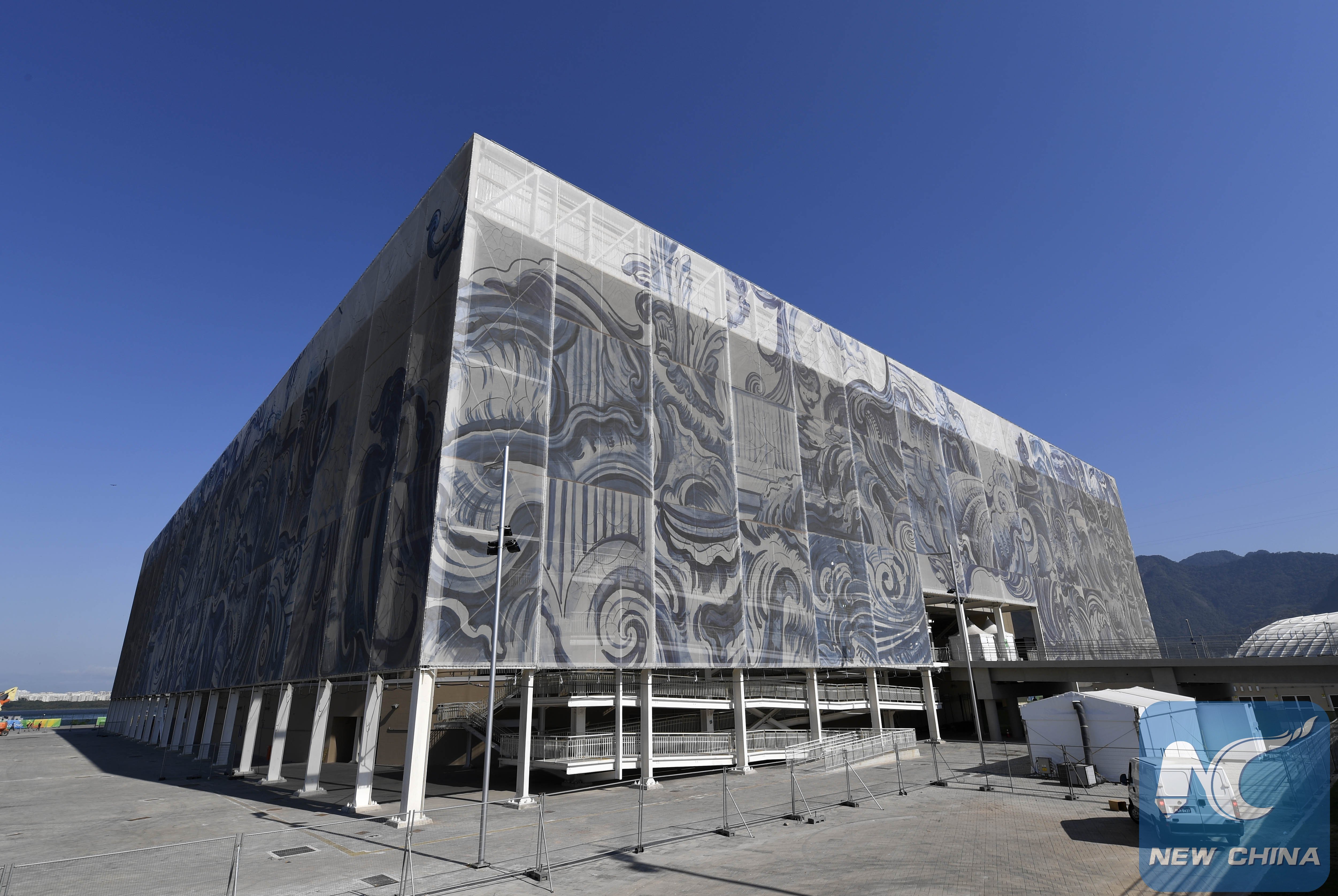
        2016
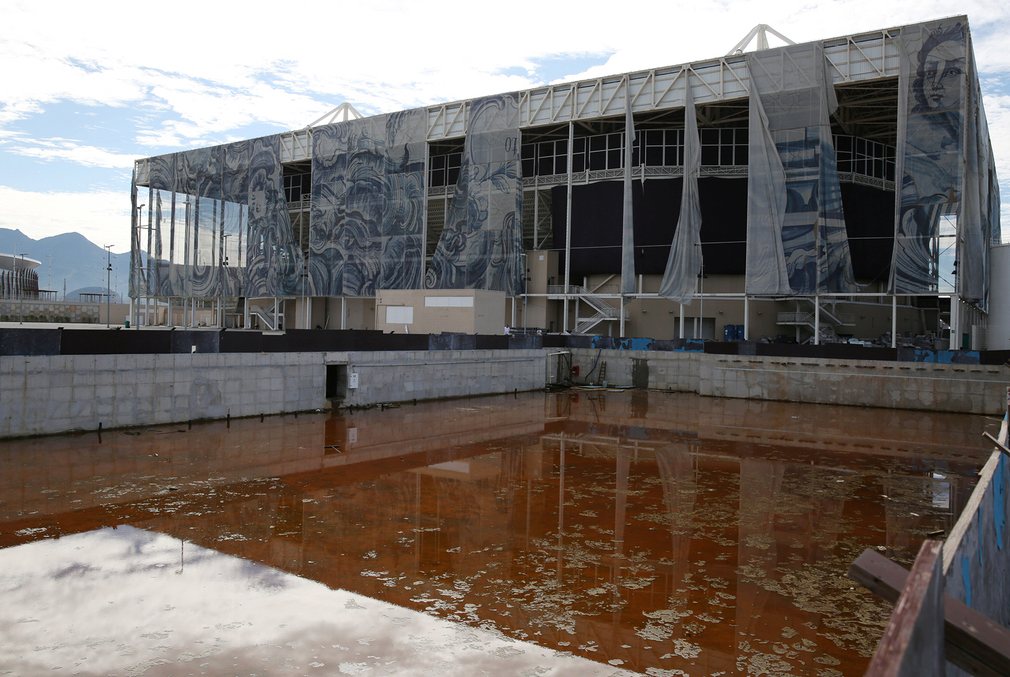
        2017

        To take a look at some recent examples: the venues used to host the 2016 Rio Olympic Games were reported to be in disuse a mere six months after the curtains had fallen on the event. It's been widely reported that vandals and looters have ripped out thousands upon thousands of seats from the Maracana stadium, stripped the copper piping from air conditioning units for indoor venues, and pools that were supposed to remain open for locals to enjoy were overrun by bacterial growth and rendered useless due to a lack of the necessary continued maintenance.

        Looking back further in history for another example, the venues constructed to host the 1996 Olympic Games in Atlanta were doomed to irrelevance almost out of the gate. Famously, the high rise apartments were still being constructed as athletes moved in ahead of the games. The construction of most of the infrastructure for the Atlanta Games was undertaken so hastily that quality suffered greatly. Apartment buildings that were supposed to be repurposed for renting out to the general public were never put on the market, and many have since been demolished. Many of the neighborhood in midtown Atlanta that played host to the residential building projects have been in an economic slump for decades, making the proposition of living there an unattractive one for many potential renters.

        And of course, there is the namesake example of this phenomenon, the Bird's Nest in Beijing. While it has seen sporadic usage since the 2008 Games, it has nevertheless sat unused for most of the intervening time since the Games drew to a close.

        These "Bird's Nests" create a number of problems for local communities. The cost of their upkeep can be a serious burden to taxpayers. Venues that sit unused for most of the year create very few stable jobs for those in the surrounding areas. Those that do have employment at the venues are vulnerable if the state decides to sell the structures to a private developer in a bid to recoup some of its investment.

        All of this begs a simple, straightforward question: how is it that these venues can be repurposed? And can whatever solutions are found be implemented in such a way as to maximize their social benefit, provide a morale boost to local communities and an continuing economic boon to locales.

        There are several things that can be done for Olympic host cities to avoid falling victim to the "Bird's Nest Syndrome."

        First and foremost, venues should be constructed with long-term usage in mind from the outset. Residential projects should be built with an eye toward their being repurposed as affordable housing as a way to provide a boost to local communities. Volunteers and those who spent years working on behalf of an edition of the Games should be given priority to move into these housing projects as a way for the community to give back to them and reward them for their efforts.

        On the competition venue side of things, the picture is a little more complicated but there are still things that can be done to ensure that these structures do not fall into disuse.

        Large stadiums like the Maracana in Rio should be built in consultation with national sporting outfits so that they can immediately be repurposed to house teams. This will allow an entire national community to have an interest in and get behind the continued upkeep of these venues.

        Another option is the route that Beijing has taken with its National Aquatics Center and other venues. Beijing make the conscious decision maintain these structures by repurposing them to house national-level sporting initiatives. This upkeep will pay off dividends for the country, as many of these buildings will be reused in the upcoming Beijing 2022 Winter Olympic Games.

        The storied "Birds Nest Syndrome" is not an affliction that must necessarily come along with hosting an edition of the Olympic Games. Although the venues needed to host a Games are indeed expensive and can be difficult to find continual usage for, all that is required is a little creativity from policy makers.

        With a little planning, foresight, and an eye toward long-term social benefit, host nations can turn what were long thought to be money-sinks into long term investments that will pay dividends for local communities and have a real, tangible, impact on the lives of ordinary people. (Jing Xu is a student from Canadian International School of Beijing; Edited by Spencer Musick)

        Back to Top Close
        Xinhuanet

        Commentary: Avoiding the Bird's Nest: A look at socially responsible uses of former Olympic venues

        Source: Xinhua 2018-01-28 19:13:10

        By Jing Xu

        BEIJING, Jan. 28 (Xinhua) -- A remarkably similar story is playing out in the former host cities of Olympic and Paralympic Games around the world. Venues sit empty, desolate.

        These "Birds Nests," named after the iconic building built for the 2008 Beijing Games that has sat almost unused since the closing ceremony, are as much a testament to a country's former resolve to prove it's worth on the international stage as they are a testament to the fact that no nation, however rich or powerful, can easily find a continual use for large, cavernous venues meant to host international sporting events on the scale of the Olympics.

        2016

        2017

        To take a look at some recent examples: the venues used to host the 2016 Rio Olympic Games were reported to be in disuse a mere six months after the curtains had fallen on the event. It's been widely reported that vandals and looters have ripped out thousands upon thousands of seats from the Maracana stadium, stripped the copper piping from air conditioning units for indoor venues, and pools that were supposed to remain open for locals to enjoy were overrun by bacterial growth and rendered useless due to a lack of the necessary continued maintenance.

        Looking back further in history for another example, the venues constructed to host the 1996 Olympic Games in Atlanta were doomed to irrelevance almost out of the gate. Famously, the high rise apartments were still being constructed as athletes moved in ahead of the games. The construction of most of the infrastructure for the Atlanta Games was undertaken so hastily that quality suffered greatly. Apartment buildings that were supposed to be repurposed for renting out to the general public were never put on the market, and many have since been demolished. Many of the neighborhood in midtown Atlanta that played host to the residential building projects have been in an economic slump for decades, making the proposition of living there an unattractive one for many potential renters.

        And of course, there is the namesake example of this phenomenon, the Bird's Nest in Beijing. While it has seen sporadic usage since the 2008 Games, it has nevertheless sat unused for most of the intervening time since the Games drew to a close.

        These "Bird's Nests" create a number of problems for local communities. The cost of their upkeep can be a serious burden to taxpayers. Venues that sit unused for most of the year create very few stable jobs for those in the surrounding areas. Those that do have employment at the venues are vulnerable if the state decides to sell the structures to a private developer in a bid to recoup some of its investment.

        All of this begs a simple, straightforward question: how is it that these venues can be repurposed? And can whatever solutions are found be implemented in such a way as to maximize their social benefit, provide a morale boost to local communities and an continuing economic boon to locales.

        There are several things that can be done for Olympic host cities to avoid falling victim to the "Bird's Nest Syndrome."

        First and foremost, venues should be constructed with long-term usage in mind from the outset. Residential projects should be built with an eye toward their being repurposed as affordable housing as a way to provide a boost to local communities. Volunteers and those who spent years working on behalf of an edition of the Games should be given priority to move into these housing projects as a way for the community to give back to them and reward them for their efforts.

        On the competition venue side of things, the picture is a little more complicated but there are still things that can be done to ensure that these structures do not fall into disuse.

        Large stadiums like the Maracana in Rio should be built in consultation with national sporting outfits so that they can immediately be repurposed to house teams. This will allow an entire national community to have an interest in and get behind the continued upkeep of these venues.

        Another option is the route that Beijing has taken with its National Aquatics Center and other venues. Beijing make the conscious decision maintain these structures by repurposing them to house national-level sporting initiatives. This upkeep will pay off dividends for the country, as many of these buildings will be reused in the upcoming Beijing 2022 Winter Olympic Games.

        The storied "Birds Nest Syndrome" is not an affliction that must necessarily come along with hosting an edition of the Olympic Games. Although the venues needed to host a Games are indeed expensive and can be difficult to find continual usage for, all that is required is a little creativity from policy makers.

        With a little planning, foresight, and an eye toward long-term social benefit, host nations can turn what were long thought to be money-sinks into long term investments that will pay dividends for local communities and have a real, tangible, impact on the lives of ordinary people. (Jing Xu is a student from Canadian International School of Beijing; Edited by Spencer Musick)

        010020070750000000000000011100001369313981
        主站蜘蛛池模板: 91久久久久久亚洲精品禁果| 一区二区在线精品| 免费a一毛片| 日韩欧美中文字幕精品| 亚洲欧美一二三| 精品特级毛片| 狠狠插狠狠插| 欧美一区二区三区久久久久久桃花| 精品国产亚洲一区二区三区| 理论片午午伦夜理片在线播放| 国产www亚洲а∨天堂| 日韩电影在线一区二区三区| 激情久久久| 日韩精品乱码久久久久久| 99国产精品| 国产精品网站一区| 欧美精品久| 日韩国产精品久久| 久久久久国产精品一区二区三区| 欧美综合在线一区| 99国产精品免费观看视频re| 精品videossexfreeohdbbw| 欧美精品综合视频| 中文字幕精品一区二区三区在线| 国产精品视频免费看人鲁| 国产专区一区二区| 欧洲国产一区| 国产精品日产欧美久久久久| 欧美精品xxxxx| 在线视频国产一区二区| 国产一区二区在| 一本大道久久a久久精品| 亚洲欧美制服丝腿| 亚洲女人av久久天堂| 国产一区二| 狠狠插狠狠插| 国产精品欧美久久| 欧美一级免费在线视频| 国产激情视频一区二区| 国产91综合一区在线观看| 久久久精品观看| 中文字幕一级二级三级| 日日狠狠久久8888偷色| 午夜片在线| 国产一区二区免费电影| 精品国产九九| 国产69精品久久久久999天美| 思思久久96热在精品国产| 日韩精品中文字| 欧美高清一二三区| 国产一级片子| 久久午夜无玛鲁丝片午夜精品| 精品无人国产偷自产在线| 日本精品一区二区三区在线观看视频 | 国产欧美一区二区三区在线播放| 久久久久久国产一区二区三区| 日韩精品乱码久久久久久| 国产69精品久久99不卡免费版| 91福利视频免费观看| 国产白丝一区二区三区| 欧美hdxxxx| 亚洲在线久久| 日本一区二区免费电影| 欧美乱大交xxxxx古装| 精品少妇的一区二区三区四区| 91精品婷婷国产综合久久竹菊 | 国产女人和拘做受在线视频| 91九色精品| free×性护士vidos欧美| 国产乱了高清露脸对白| 国产亚洲精品久久午夜玫瑰园| 国产日韩精品久久| 狠狠色噜噜狠狠狠狠| 欧美精品免费看| 欧美一区二区三区片| 91精品综合在线观看| 久久99精品久久久久国产越南| 国产精品高潮在线| 强制中出し~大桥未久在线播放| 欧美精品在线视频观看| 91一区二区三区在线| 99国产精品永久免费视频| 国产经典一区二区| 伊人av中文av狼人av| 国产91热爆ts人妖系列| ass美女的沟沟pics| 久久91久久久久麻豆精品| 日本一二三区视频在线| 国产精品日产欧美久久久久| 国产午夜精品免费一区二区三区视频| 欧美亚洲视频二区| 一区精品二区国产| 中文字幕日本一区二区| 欧美日韩一区二区在线播放 | 欧美日韩一区不卡| 欧美乱战大交xxxxx| 国产精品自拍在线| 91精品色| 欧美一区二区综合| 欧美日韩国产在线一区二区三区| 97久久国产亚洲精品超碰热| 午夜肉伦伦影院九七影网| 国产99久久九九精品免费| 精品少妇的一区二区三区四区| 欧美中文字幕一区二区| 538国产精品| 国产午夜精品一区理论片飘花 | 色婷婷噜噜久久国产精品12p| 久久天天躁狠狠躁亚洲综合公司| 国产清纯白嫩初高生在线播放性色| 91狠狠操| 狠狠色丁香久久婷婷综| 日本五十熟hd丰满| 在线视频不卡一区| 亚洲精品欧美精品日韩精品| 美国一级片免费观看| 亚洲少妇一区二区三区| 国偷自产一区二区三区在线观看| 国产无遮挡又黄又爽免费网站| 欧美乱妇在线观看| 亚洲一卡二卡在线| 国产乱人激情h在线观看| 国产日韩欧美色图| 亚洲久色影视| 狠狠躁夜夜| 亚洲精品一区在线| 国产精品1234区| 毛片大全免费看| 免费久久一级欧美特大黄| 国产999在线观看| 午夜爽爽视频| 精品国产一区二区在线| 93精品国产乱码久久久| 久久国产精品久久| 国产精品国产三级国产播12软件 | 国产91免费在线| 国产精品1区二区| 亚洲精品久久久久玩吗| 538国产精品一区二区在线| 欧美精品一区二区三区在线四季| 97久久精品人人做人人爽 | 99精品偷拍视频一区二区三区| 亚洲欧美一区二区三区不卡| 一区二区三区四区视频在线| 一区二区三区日韩精品| 久久国产欧美一区二区三区精品| 亚洲精欧美一区二区精品| 国产免费第一区| 日本一区二区三区四区高清视频| 亚洲一区2区三区| 久久久久亚洲精品视频| 久久精品国产精品亚洲红杏| 久久99精品国产麻豆宅宅| 一本色道久久综合亚洲精品浪潮| 日韩国产精品久久久久久亚洲| 国产美女三级无套内谢| 在线亚洲精品| 欧美日本三级少妇三级久久| 欧美日韩亚洲另类| 国产精品久久久久久久久久久久冷| 国产精品自产拍在线观看蜜| 国产一区二区三区午夜| 色就是色欧美亚洲| 午夜影院啪啪| 狠狠色噜噜狠狠狠狠2021免费| 欧美精品国产一区二区| 91在线一区二区| 欧美日韩亚洲另类| 日本一二区视频| 久久国产精品免费视频| 日韩av中文字幕在线免费观看| 久久久一二区| 欧美日韩国产色综合一二三四| 欧美一区二区三区免费播放视频了| 91免费视频国产| 91亚洲欧美强伦三区麻豆| 99国产精品免费| 国产精品高潮呻| 欧美亚洲精品suv一区| 玖玖国产精品视频| 久久99亚洲精品久久99| 欧美日韩国产在线一区二区三区| 国产亚洲精品综合一区| 日韩亚洲精品视频| bbbbb女女女女女bbbbb国产| 午夜伦情电午夜伦情电影| 国产偷自视频区视频一区二区| 亚洲1区2区3区4区| 国产欧美一区二区在线| 免费a级毛片18以上观看精品| 91国产在线看| 高清国产一区二区| 麻豆天堂网| 国产精品久久久久精| 欧美3级在线| 中文字幕一区二区三区乱码 | 亚洲精品中文字幕乱码三区91| 欧美一区二粉嫩精品国产一线天| 特级免费黄色片| 日韩国产精品一区二区| 中文字幕av一区二区三区高| 久久久久久国产一区二区三区| 国产呻吟高潮| 免费看欧美中韩毛片影院| 日韩av在线影视| 欧美一区二区三区性| 蜜臀久久99静品久久久久久 | 国产精品一区二区久久乐夜夜嗨| 久久久久久久久亚洲精品| 大bbw大bbw巨大bbb| 91精品福利观看| 国产一区www| 在线电影一区二区| 国产日韩欧美另类| 欧美激情综合在线| 久久不卡精品| 国产精品一区在线播放| 国产欧美日韩精品一区二区三区| www色视频岛国| 日韩av在线一区| 久精品国产| 国产69精品久久| 欧美激情在线免费| 日韩精品一区二区三区在线| 91精品中综合久久久婷婷| 中文文精品字幕一区二区| 久久夜色精品国产噜噜麻豆| 国产精品偷拍| 国产乱了高清露脸对白| 一区二区不卡在线| 91精品资源| 午夜a电影| 欧美精品一级二级| 69精品久久| 日韩精品福利片午夜免费观看| 国产日韩欧美91| 国产一区二区三区大片| 91嫩草入口| 国产欧美日韩精品一区二区三区| 国产欧美视频一区二区三区| 亚洲国产日韩综合久久精品| 国产精品久久久久久久久久嫩草| 国产精品1区2区| 欧洲国产一区| 性生交大片免费看潘金莲| 99精品国产免费久久|