欧美精品在线第一页,久久av影院,午夜视频在线播放一三,久久91精品久久久久久秒播,成人一区三区,久久综合狠狠综合久久狠狠色综合,成人av一区二区亚洲精,欧美a级在线观看
         
        China's successful cloning of monkeys "significant advance" for disease research: U.S. scholar
                         Source: Xinhua | 2018-01-27 04:15:14 | Editor: huaxia

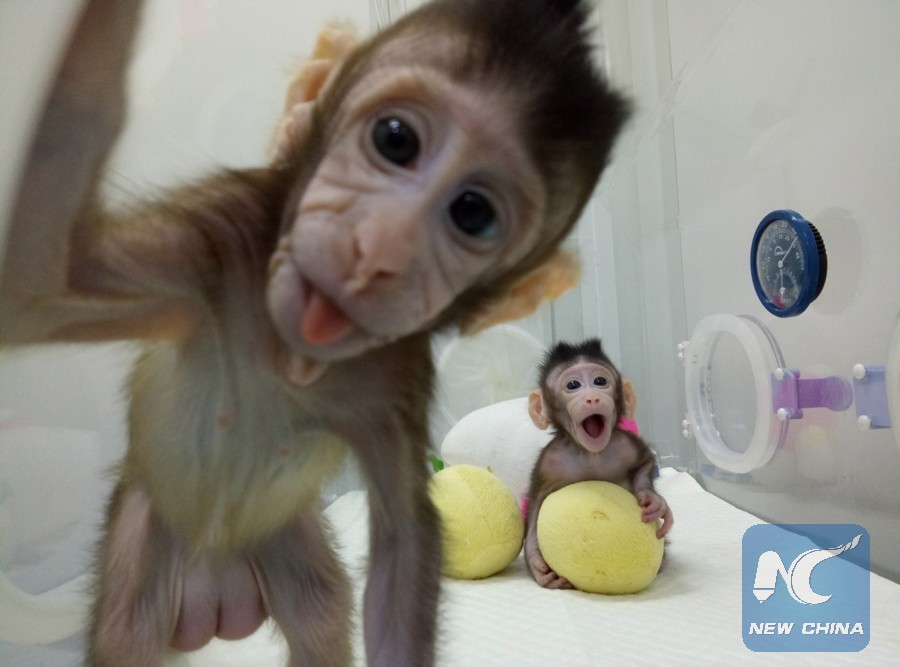
        File photo provided by the Chinese Academy of Sciences shows two cloned macaques named Zhong Zhong and Hua Hua at the non-human-primate research facility under the Chinese Academy of Sciences. (Xinhua)

        NEW YORK, Jan. 26 (Xinhua) -- The successful cloning of two monkeys by Chinese researchers is a "significant advance" for disease research, a U.S. scholar said on Friday.

        "The cloning of the monkeys is a significant advance. Others had tried in the past and failed," said Robert Desimone, Director of McGovern Institute for Brain Research at Massachusetts Institute of Technology (MIT) in Cambride in Massachusetts state, told Xinhua in a written interview.

        The two cloned macaques, named Zhong Zhong and Hua Hua, were produced at the non-human-primate research facility under the Chinese Academy of Sciences (CAS) at the end of 2017.
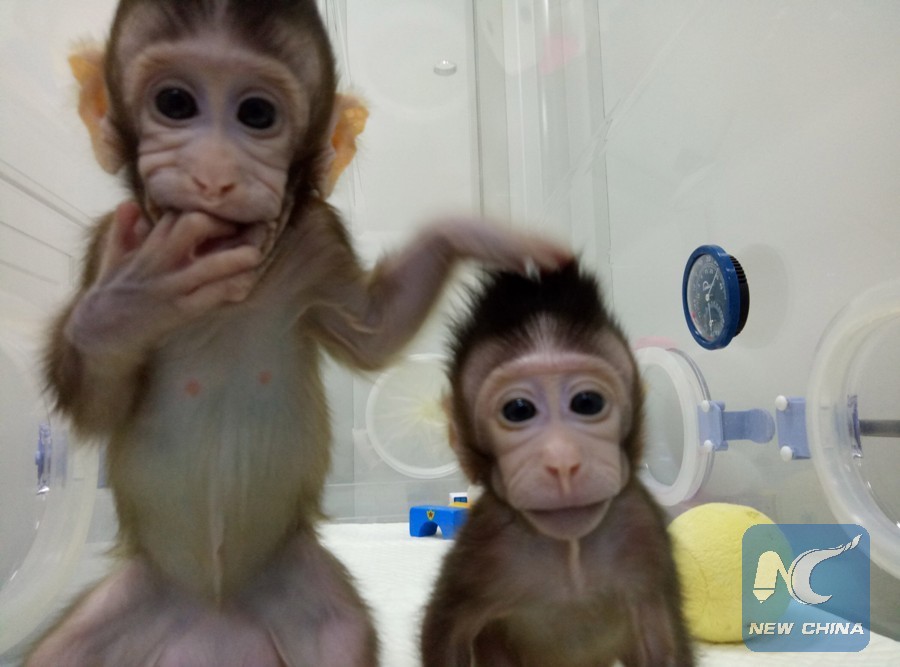
        File photo provided by the Chinese Academy of Sciences shows two cloned macaques named Zhong Zhong and Hua Hua at the non-human-primate research facility under the Chinese Academy of Sciences. (Xinhua)

        "One potential application is in the generation of primate genetic models for disease research, as the authors point out," Desimone said. "Until now, these methods were limited to genome editing in primates using CRISPR or TALEN methods." Both CRISPRE and TALEN are tools for editing genomes and alter DNA sequences.

        "The genetic modification of cells followed by somatic cell nuclear transfer can now be added to the options available for creating these new genetic models," he said.

        The cloning methods may be "particularly useful for combining several disease-related mutations in the same animal," Desimone noted.

        "I and many other neuroscientists believe that primate genetic models will be better for understanding human brain disorders and for developing new treatments compared to mouse models, because the brains of monkeys are more similar to those of humans," he added.
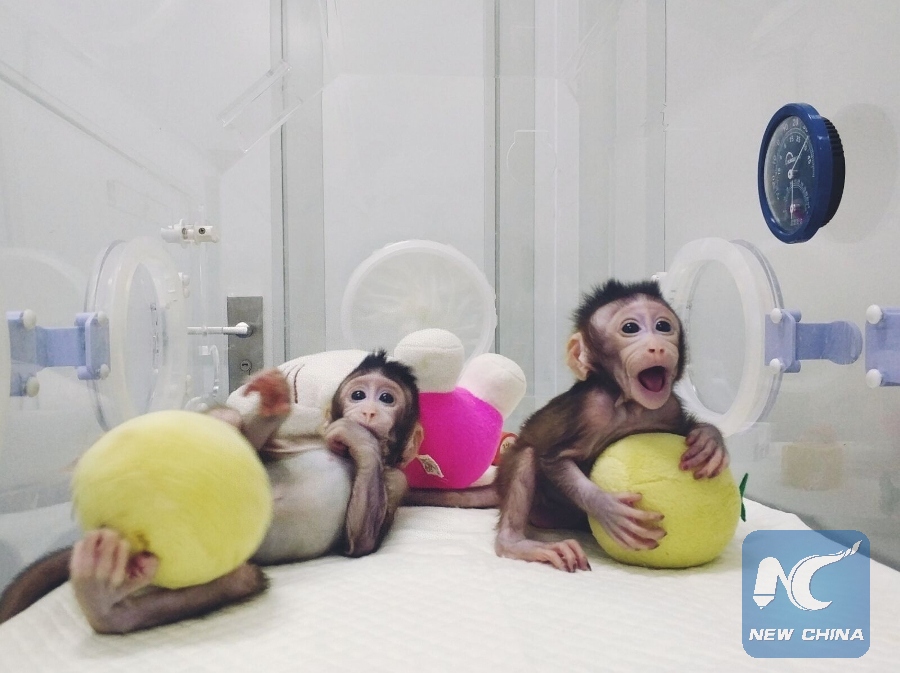
        File photo provided by the Chinese Academy of Sciences shows two cloned macaques named Zhong Zhong and Hua Hua at the non-human-primate research facility under the Chinese Academy of Sciences. (Xinhua)

        Autism, schizophrenia, and neurodegenerative diseases such as Parkinson's disease, Huntington's disease, and Alzheimer's disease are examples of brain disorders that "might see significant advances based on primate genetic models," he elaborated. "Of course, outside of neuroscience, there are many other diseases where research would benefit from better genetic models."

        Desimone pointed out although the work is a significant advance, it should be acknowledged that the primate cloning methods "still have room for improvement."

        "The number of live births compared to the number of embryos implanted was fairly small. There are other limitations with using cloned animals for this purpose, but I believe they will get worked out in the future," he said.

        Desimone attributed the breakthrough to Chinese researchers' hard work, and China's heavy investment in research and innovation in recent years.

        "China has invested much more in developing primate genetic models than any other country developing primate genetic models," he said. "I believe this is partly because monkeys are a natural resource in China, and the large numbers of primates available in China makes the genetic work more feasible.

        Another major reason is that Chinese research agencies, such as the Chinese Academy of Science, "have been willing to take risks in funding work like this at an early stage, when it was far from clear that the work would be successful," he added.

        Desimone said he himself is collaborating with colleagues at a different Chinese Academy research center in Shenzhen that is also working on new genetic models.

        "The support that my colleagues receive from the city and from the Chinese Academy has been substantial. The China Brain Initiative will surely accelerate the research throughout China even more. China is the world leader in this type of research now, and it is investing to remain so in the future."

        Back to Top Close
        Xinhuanet

        China's successful cloning of monkeys "significant advance" for disease research: U.S. scholar

        Source: Xinhua 2018-01-27 04:15:14

        File photo provided by the Chinese Academy of Sciences shows two cloned macaques named Zhong Zhong and Hua Hua at the non-human-primate research facility under the Chinese Academy of Sciences. (Xinhua)

        NEW YORK, Jan. 26 (Xinhua) -- The successful cloning of two monkeys by Chinese researchers is a "significant advance" for disease research, a U.S. scholar said on Friday.

        "The cloning of the monkeys is a significant advance. Others had tried in the past and failed," said Robert Desimone, Director of McGovern Institute for Brain Research at Massachusetts Institute of Technology (MIT) in Cambride in Massachusetts state, told Xinhua in a written interview.

        The two cloned macaques, named Zhong Zhong and Hua Hua, were produced at the non-human-primate research facility under the Chinese Academy of Sciences (CAS) at the end of 2017.

        File photo provided by the Chinese Academy of Sciences shows two cloned macaques named Zhong Zhong and Hua Hua at the non-human-primate research facility under the Chinese Academy of Sciences. (Xinhua)

        "One potential application is in the generation of primate genetic models for disease research, as the authors point out," Desimone said. "Until now, these methods were limited to genome editing in primates using CRISPR or TALEN methods." Both CRISPRE and TALEN are tools for editing genomes and alter DNA sequences.

        "The genetic modification of cells followed by somatic cell nuclear transfer can now be added to the options available for creating these new genetic models," he said.

        The cloning methods may be "particularly useful for combining several disease-related mutations in the same animal," Desimone noted.

        "I and many other neuroscientists believe that primate genetic models will be better for understanding human brain disorders and for developing new treatments compared to mouse models, because the brains of monkeys are more similar to those of humans," he added.

        File photo provided by the Chinese Academy of Sciences shows two cloned macaques named Zhong Zhong and Hua Hua at the non-human-primate research facility under the Chinese Academy of Sciences. (Xinhua)

        Autism, schizophrenia, and neurodegenerative diseases such as Parkinson's disease, Huntington's disease, and Alzheimer's disease are examples of brain disorders that "might see significant advances based on primate genetic models," he elaborated. "Of course, outside of neuroscience, there are many other diseases where research would benefit from better genetic models."

        Desimone pointed out although the work is a significant advance, it should be acknowledged that the primate cloning methods "still have room for improvement."

        "The number of live births compared to the number of embryos implanted was fairly small. There are other limitations with using cloned animals for this purpose, but I believe they will get worked out in the future," he said.

        Desimone attributed the breakthrough to Chinese researchers' hard work, and China's heavy investment in research and innovation in recent years.

        "China has invested much more in developing primate genetic models than any other country developing primate genetic models," he said. "I believe this is partly because monkeys are a natural resource in China, and the large numbers of primates available in China makes the genetic work more feasible.

        Another major reason is that Chinese research agencies, such as the Chinese Academy of Science, "have been willing to take risks in funding work like this at an early stage, when it was far from clear that the work would be successful," he added.

        Desimone said he himself is collaborating with colleagues at a different Chinese Academy research center in Shenzhen that is also working on new genetic models.

        "The support that my colleagues receive from the city and from the Chinese Academy has been substantial. The China Brain Initiative will surely accelerate the research throughout China even more. China is the world leader in this type of research now, and it is investing to remain so in the future."

        010020070750000000000000011105091369280061
        主站蜘蛛池模板: 国产一区二区三区伦理| 欧美极品少妇xxxxⅹ| 亚洲精品国产精品国自产网站按摩 | 国产精品19乱码一区二区三区| 欧美一区二区三区激情| 国产不卡网站| 国产第一区在线观看| 欧美在线观看视频一区二区| 国产精华一区二区精华| 国产午夜精品免费一区二区三区视频| 国产999精品视频| 久久久精品视频在线| 日韩欧美激情| 亚洲欧美一区二区三区不卡| 17c国产精品一区二区| 日韩午夜毛片| 日韩av在线网址| 999亚洲国产精| 午夜精品一区二区三区在线播放 | 亚洲欧洲一二三区| 精品国产免费久久| 国产呻吟高潮| 久久99亚洲精品久久99果| 久久五月精品| 欧美一区二区在线不卡| 国产精品尤物麻豆一区二区三区| 狠狠色狠狠色综合久久一| 日韩av在线免费电影| 欧美激情视频一区二区三区免费| 国产91电影在线观看| 99精品一区二区| 国产偷久久一区精品69| 91精品夜夜| 狠狠色丁香久久综合频道日韩| 99国产精品久久久久99打野战| 欧美精品五区| 亚洲国产欧美一区| 亚洲福利视频二区| 国产91视频一区二区| 国产一区在线视频播放| 国产视频一区二区在线播放| 一区二区久久精品| 国产69精品久久久久9999不卡免费 | 97精品超碰一区二区三区| 狠狠插狠狠插| 久久一区二区三区视频| av午夜影院| 欧美日韩一区二区三区精品| 午夜看片网站| 久久两性视频| 999久久久国产| 国产欧美www| 日韩久久精品一区二区三区| 国产91免费在线| 国产精欧美一区二区三区久久| 欧美一区二区三区免费观看视频| 亚洲午夜国产一区99re久久| 国产精品视频一区二区三| 欧美福利一区二区| 国产999在线观看| 香港三日三级少妇三级99| 8x8x国产一区二区三区精品推荐| 日本不卡精品| 色吊丝av中文字幕| 日韩无遮挡免费视频| 国产精品免费一区二区区| 国产精品一区在线观看你懂的| 欧美日韩一区不卡| 日韩午夜电影在线| 中文字幕日韩有码| 日韩精品一区二区三区中文字幕| 午夜看片网址| 99久久精品一区二区| 国产精品麻豆自拍| 一区二区在线精品| www.久久精品视频| 久久96国产精品久久99软件| 国产亚洲精品综合一区| 国产一区网址| 国产精品综合在线| 26uuu色噜噜精品一区二区| 亚洲欧洲一二三区| 四虎国产精品久久| 国产精自产拍久久久久久蜜| 国产精品一区二区三区在线看| 亚洲少妇中文字幕| 亚洲欧美日韩另类精品一区二区三区| 99国产精品丝袜久久久久久| 欧美精品国产精品| 最新国产一区二区| 欧美一区二区三区高清视频| 国产亚洲精品久久久久动| 国语对白一区二区| 高清欧美xxxx| 97久久精品人人做人人爽50路| 四虎国产精品久久| 国产99久久九九精品免费| 一区二区免费播放| 欧美一区二区免费视频| 91精品视频在线观看免费| 亚洲国产精品国自产拍av| 国产精品日韩三级| 亚洲精品一区中文字幕| 日韩一区二区精品| 日本黄页在线观看| 美日韩一区| 国产精品视频一区二区在线观看| 一区二区国产盗摄色噜噜| 不卡在线一区二区| 国产精品美女www爽爽爽视频| 97一区二区国产好的精华液| 午夜影院激情| 亚洲精品国产一区二区三区| 狠狠色狠狠色综合日日五| 夜夜嗨av一区二区三区中文字幕| 国产欧美精品久久| aaaaa国产欧美一区二区| 制服丝袜亚洲一区| 午夜社区在线观看| 性欧美激情日韩精品七区| 午夜av在线电影| 色午夜影院| 国产97在线看| 国产品久精国精产拍| 88国产精品欧美一区二区三区三| 午夜特级片| 亚洲精品乱码久久久久久写真| 亚洲福利视频一区| 国产精品一区二区人人爽| 蜜臀久久99精品久久久| 久久精品国产亚洲7777| 91精品久久久久久综合五月天| 美国三级日本三级久久99| 国产精品久久久久精| 国产乱人伦精品一区二区 | 久久青草欧美一区二区三区| 久久噜噜少妇网站| 少妇bbwbbwbbw高潮| 91久久一区二区| 亚洲国产精品网站| 国产色午夜婷婷一区二区三区| 国产日韩一区二区三区| 国产69精品久久99不卡解锁版| 国产精彩视频一区二区| 91午夜在线| 午夜伦理片在线观看| 视频一区二区国产| 国产人成看黄久久久久久久久| 99精品偷拍视频一区二区三区| 久久影视一区二区| 粉嫩久久99精品久久久久久夜| 国产一区二区视频播放| 97精品超碰一区二区三区| 国产一区二区三区伦理| 天干天干天干夜夜爽av| 91视频国产一区| 国产视频一区二区视频| 欧美精品九九| 国产91在线播放| 国产在线干| 少妇高清精品毛片在线视频| 福利视频亚洲一区| 日本二区在线观看| 中文文精品字幕一区二区| 久久精品国语| 国产日韩欧美自拍| 欧美激情在线观看一区| 欧美日韩一区二区三区免费| 色婷婷综合久久久久中文| 欧美日韩一区不卡| 特高潮videossexhd| 亚洲欧美v国产一区二区| 亚洲国产日韩综合久久精品| 国产亚洲综合一区二区| 国产精品乱码久久久久久久久| 中文乱码字幕永久永久电影| 国产欧美精品一区二区三区小说 | 538国产精品一区二区| 国产精品6699| 97午夜视频| 一区精品二区国产| 日韩精品一区二区久久| 久久99精品国产麻豆婷婷洗澡| 国产日韩欧美色图| 国产精品九九九九九九| 日本99精品| 国产天堂一区二区三区| 国产精品电影免费观看| 国产欧美日韩在线观看| 国产91麻豆视频| 日韩精品久久一区二区三区| 午夜欧美影院| 国产在线视频二区| 亚洲欧美日韩一级| 日韩中文字幕在线一区| 偷拍久久精品视频| 一区二区三区国产精品视频| 欧美一区二区三区久久久久久桃花| 991本久久精品久久久久| 中文字幕一区二区三区四| 亚洲欧美中日精品高清一区二区| 91久久免费| 美女张开腿黄网站免费| 亚洲精品国产主播一区| 欧美精品一级二级| 日韩精品久久一区二区三区| 欧美黑人巨大久久久精品一区| 国产精品天堂网| 狠狠躁狠狠躁视频专区| 91麻豆国产自产在线观看hd| 国产精品国产三级国产播12软件| 亚洲四区在线| 欧美乱战大交xxxxx| 国产全肉乱妇杂乱视频在线观看| 91精彩刺激对白露脸偷拍| 国产一区二区播放| 亚洲制服丝袜在线| 扒丝袜pisiwa久久久久| 午夜精品影视| 久久乐国产精品| 日韩av在线影视| 国产88av| 十八无遮挡| 性欧美一区二区三区| 日韩无遮挡免费视频| 亚洲国产欧美一区二区三区丁香婷| 日韩av电影手机在线观看| 婷婷午夜影院| 欧美精品免费看| 国产精品久久免费视频| 99国产精品免费| 九九精品久久| 欧美精品一卡二卡| 亚洲精品久久久久不卡激情文学| 农村妇女精品一二区| 亚洲精品日本无v一区| 美女被羞羞网站视频软件| 91精品丝袜国产高跟在线| 午夜生活理论片| 亚洲国产精品国自产拍久久| 国产一区在线免费| 午夜激情看片| 少妇自拍一区| 亚洲国产精品美女| 黄色国产一区二区| 久久久久一区二区三区四区 |